Tips from the team:
- Always carry cash: ATMs become few and far between outside the major cities, and withdrawal limits are low.
- Never drink tap water: Stick to bottled water, purification tablets, or a filter.
- Take it easy at altitude: Several stages rise above 3,000 metres. Drink plenty of water and avoid alcohol for the first few days.
- Take off your shoes: Before entering a yurt or local accommodation, this is the number one rule of good manners.
- Stay calm during a roadside check: Politeness and patience defuse most situations.
Kyrgyzstan: The Practical Guide to Planning Your Road Trip
Wild landscapes, welcoming nomadic families and mountain passes above 3,000 metres: a road trip through Kyrgyzstan is anything but a conventional holiday, so a little preparation goes a long way. At Kyrgyzstan Nomads, we’ve brought together everything you need to know, organise and pack before you set off. From money and healthcare to the rules of the road and local customs, this guide will help you start the adventure of a lifetime fully prepared.
When to Visit Kyrgyzstan?
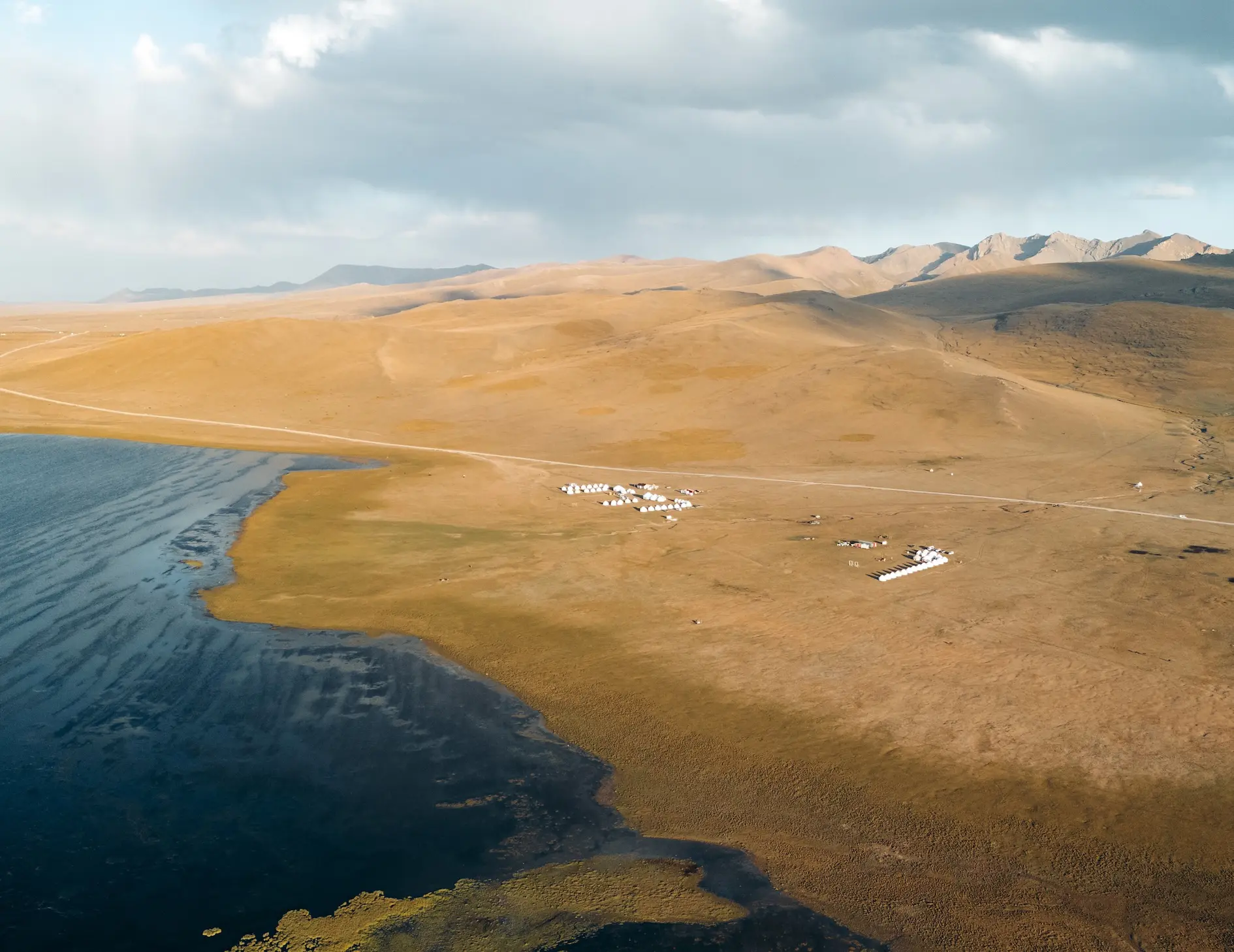
More than 90% of Kyrgyzstan lies above 1,500 metres, and you can feel it: summers are relatively short, and mountain passes aren’t accessible all year round. June to September is the best time to explore the country, when the high-altitude passes are clear of snow and the weather is at its most stable.
Even then, expect changeable weather: daytime temperatures in the cities can reach 30°C, while nights near high-altitude lakes such as Song-Kul can drop to just a few degrees. Dressing in layers is therefore essential, whatever the temperature feels like when you wake up.
Before you go: visas, money and language
French, Belgian and Swiss travelers do not need a visa for stays in Kyrgyzstan of up to 60 days.
The local currency is the Kyrgyzstani som (KGS). One euro gets you around 100 soms, although the exchange rate may vary slightly. ATMs are easy to find in Bishkek, Karakol and the tourist areas around Lake Issyk-Kul, but they become scarce or nonexistent in remote villages and mountainous areas. Keep in mind that withdrawal limits are often low, usually around 20,000 soms (about 200 euros) per transaction. Cash is still the norm outside the major cities, so always carry some with you for small purchases, markets and meals with local families.
As for language, you will hear a mix of Kyrgyz (the national language, especially in rural areas) and Russian (particularly in the cities). A few words in the local language, such as “Salam” (hello) or “Rakhmat” (thank you), are always appreciated. If you are traveling with Kyrgyzstan Nomads, you will find the most useful phrases for the road in the app and your travel journal.
Driving in Kyrgyzstan: What You Need to Know
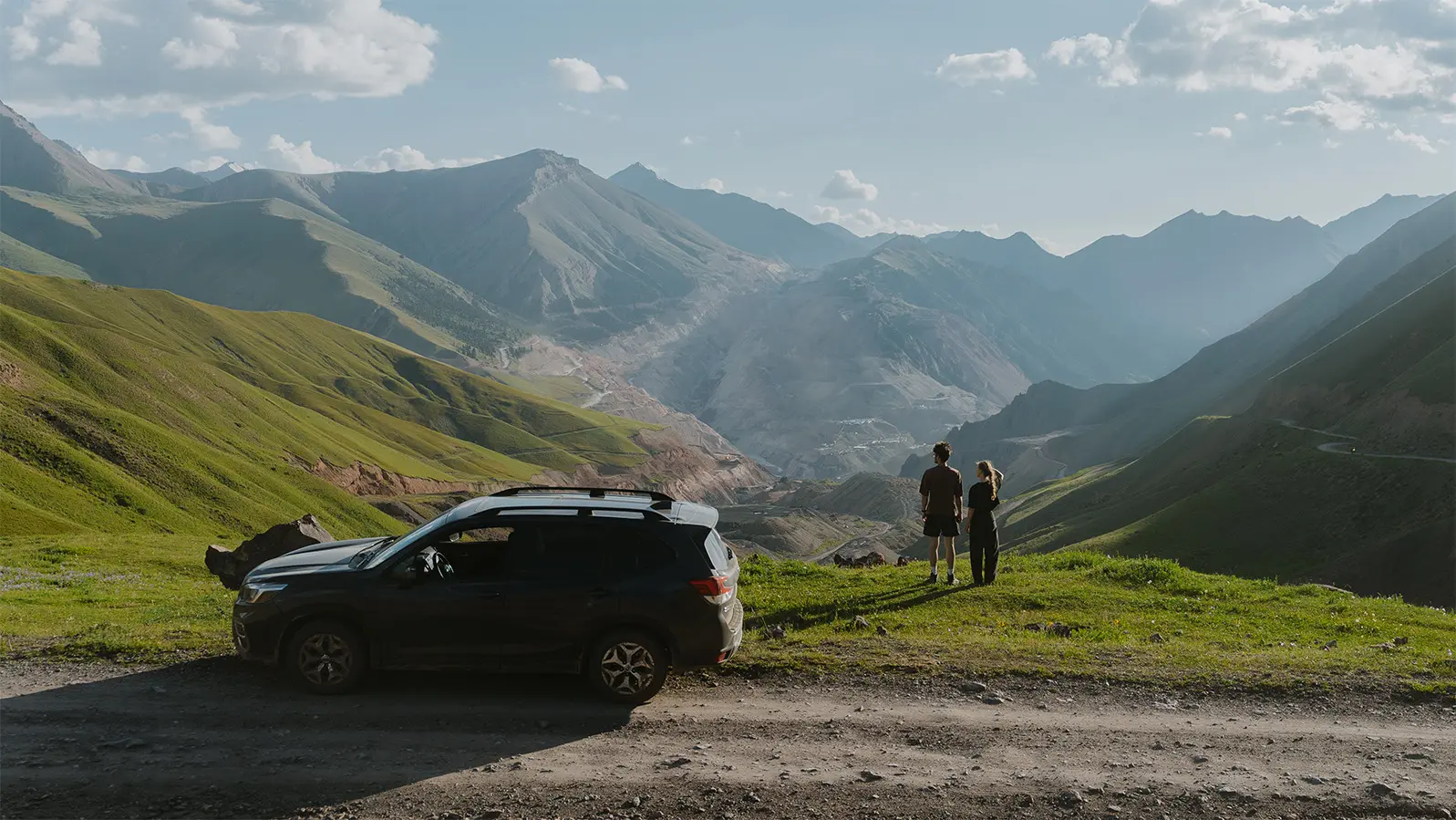
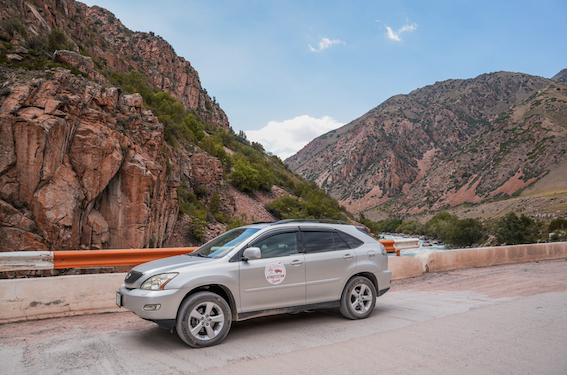
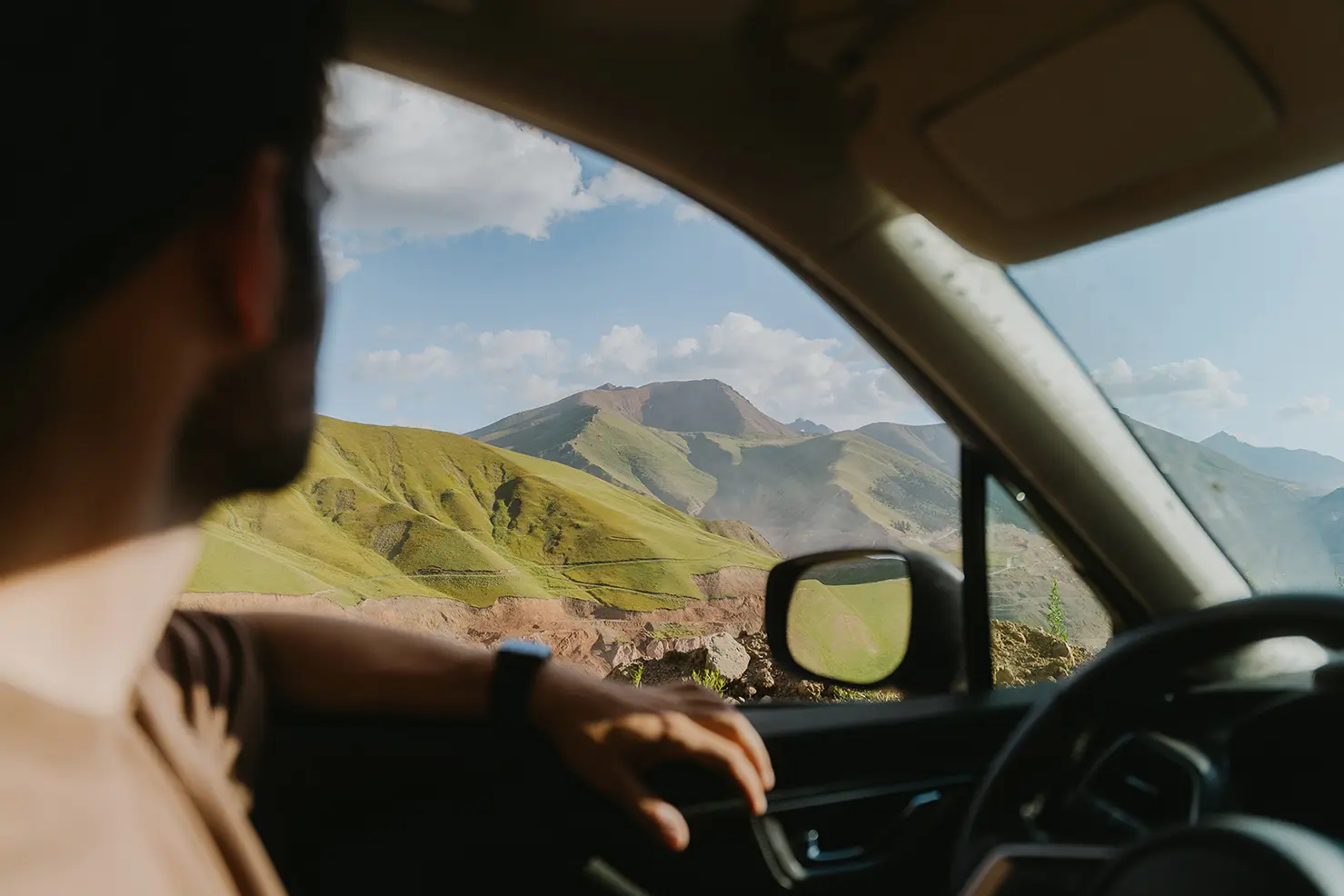
Driving yourself through Kyrgyzstan is an adventure in its own right. One minute you’re cruising along brand-new tarmac, the next you’re bouncing over a dusty, pothole-ridden track. Coming across herds of sheep, cows or horses on the road is more the rule than the exception. A 4×4 is therefore not an unnecessary luxury, but highly recommended.
Officially, the speed limit is 90 km/h on main roads, 60 km/h in built-up areas and 40 km/h in city centres. Police checks do take place, but tend to be low-key. If you’re stopped, stay calm and polite, and don’t hesitate to ask for an official document stating the amount of the fine. A few practical rules to keep in mind:
- there is zero tolerance for drink-driving;
- using your phone while driving is prohibited, so hand it to a passenger;
- in an emergency, call the private medical emergency services (151), or the police and fire brigade (112).
Breakdown, accident, or simply a question while you’re on the road? At Kyrgyzstan Nomads, our team is available by phone and WhatsApp, so you’re never left on your own.
Health and safety
A few simple precautions are all it takes to travel safely. The most important rule: never drink tap water. Always choose bottled water or treat it with purification tablets or a filter. The sun is strong in Kyrgyzstan, even when the air feels cool, so sunscreen, sunglasses and a hat are essential, especially when hiking or visiting high-altitude lakes.
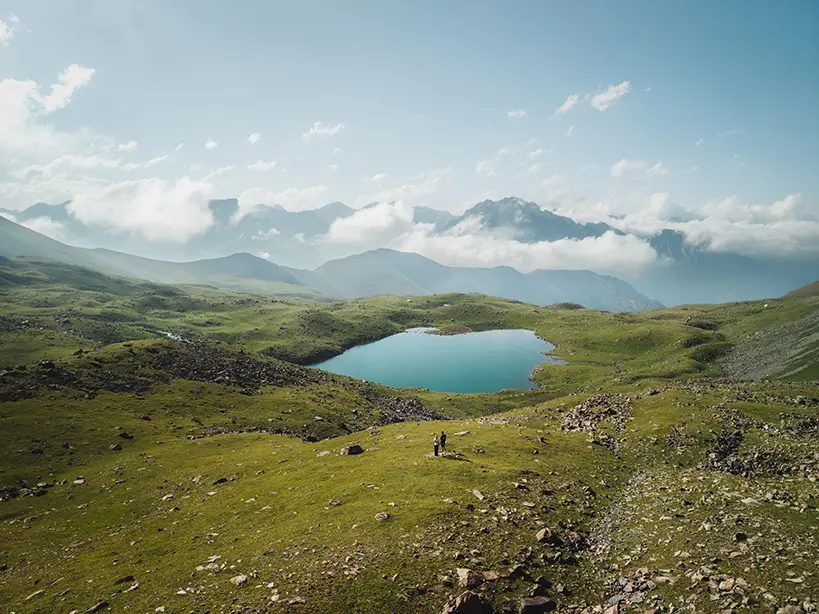
The altitude can also affect your body. Several stops on a road trip through Kyrgyzstan are above 3,000 metres, including Song-Kul Lake. Headaches and shortness of breath are common after a rapid ascent. Give yourself time to acclimatise, drink plenty of water and avoid alcohol for the first few days. The Kyrgyzstan Nomads roadbook also lists the altitude of every overnight stop, so you know exactly when to take extra care.
Culture and Etiquette
Hospitality plays a central role in Kyrgyzstan, and you’ll notice it from your very first night staying with a local family. Here are a few customs to keep in mind:
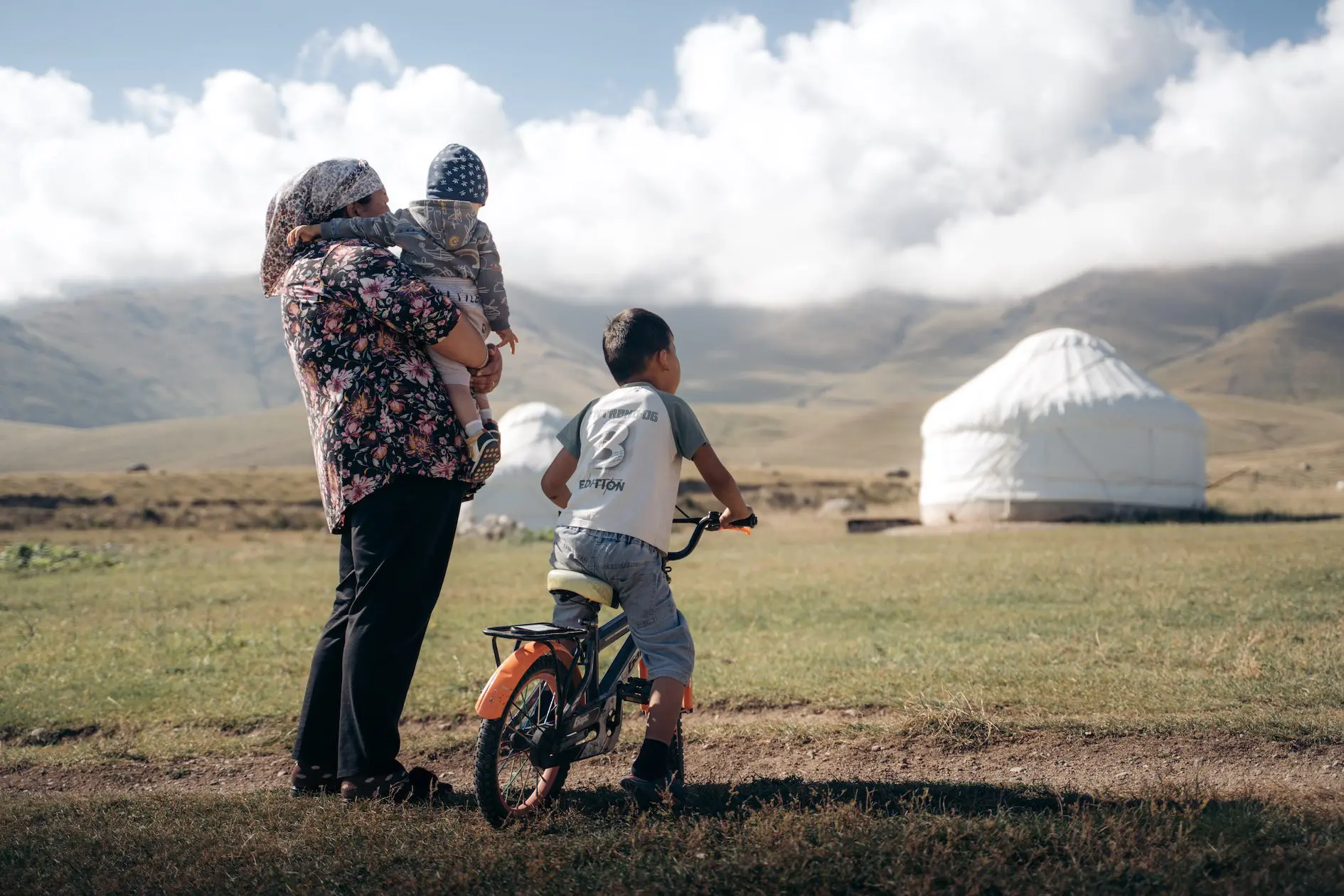
- take off your shoes when entering a yurt or someone’s home;
- finishing all the food on your plate or emptying your glass may be seen as a subtle invitation to serve you more. If you’re full, feel free to leave a little behind;
- when visiting a mosque or church, dress respectfully, with your shoulders and legs covered. Women are often welcome to wear a scarf covering their hair;
- never throw anything down the toilet, not even toilet paper. Use the bin provided, which is almost always placed next to it.
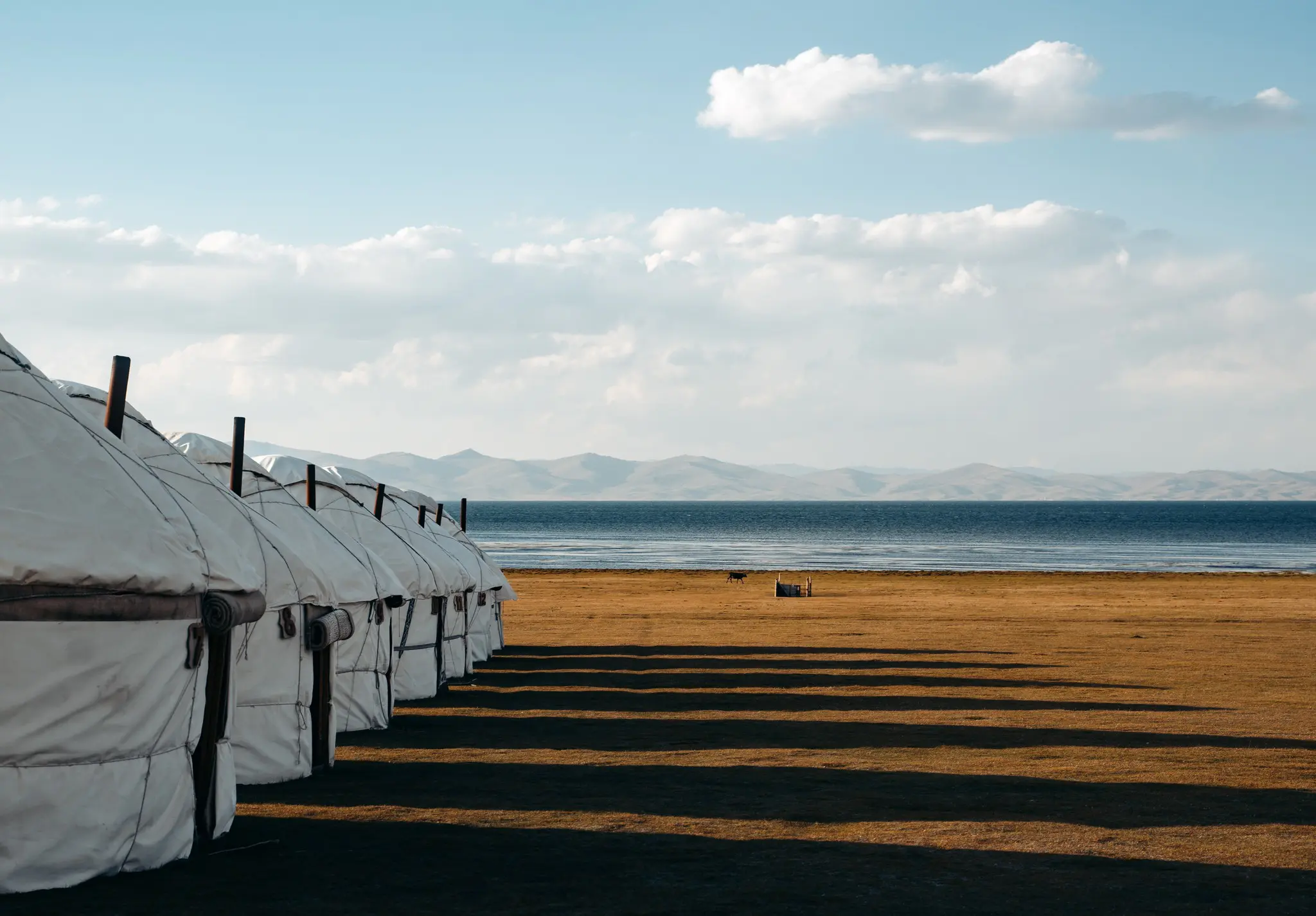
With Kyrgyzstan Nomads, you’ll spend several nights staying with local families and in yurt camps along the way, giving you the chance to experience this hospitality up close and become part of it yourself.
The perfect itinerary: must-see highlights you won’t want to miss
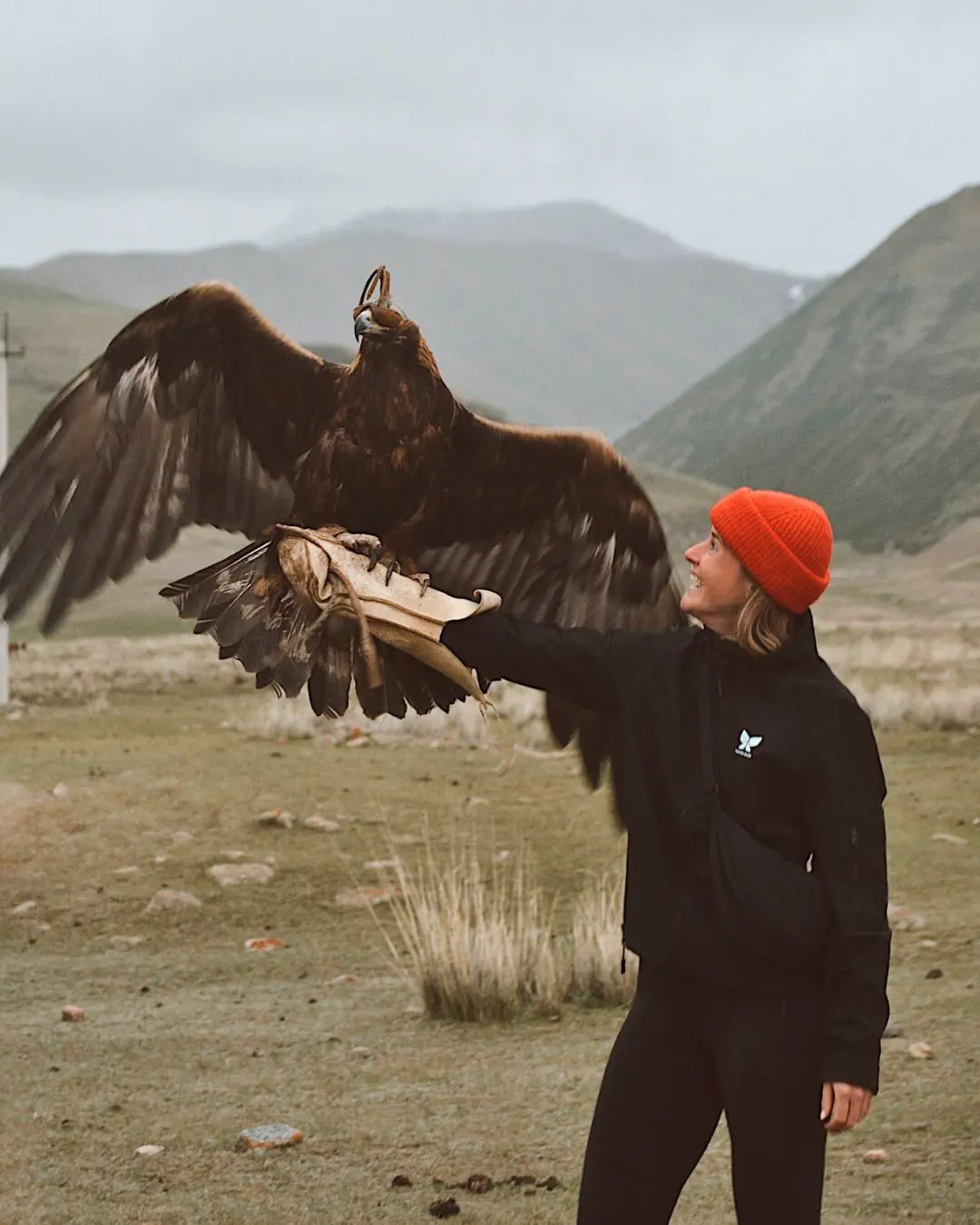
Beyond the practical preparations, there’s still the question of where exactly to go. A successful road trip in Kyrgyzstan takes in a few must-see highlights, from Song-Kul Lake to Burana Tower, with stops in Karakol and at Skazka Canyon along the way.
Planning this route yourself, finding reliable guesthouses and yurt camps, and coordinating all the logistics can quickly take dozens of hours of research, with the risk of missing some of the best places. When you book with Kyrgyzstan Nomads, that work is already done for you: a route covering these must-see highlights, accommodation booked in advance, and a 4×4 included. All you have to do is get behind the wheel.
Checklist for your road trip in Kyrgyzstan
In short, here’s what you should bring or arrange in advance:
- Documents: an international driving permit, the vehicle registration document and its insurance certificate (provided directly by Kyrgyzstan Nomads when you pick up the 4x4).
- Cash: enough Kyrgyz soms in small denominations.
- Clothing: layers, a warm sweater, a windbreaker and sturdy walking shoes.
- Health: sunscreen, sunglasses, a hat and water-purification tablets or a filter.
- Respect: clothing that covers your shoulders and knees when visiting mosques or churches.
Ready for your Kyrgyzstan road trip?
A road trip in Kyrgyzstan is all about learning to let go: of well-worn routes, tightly packed schedules, and sometimes even Wi-Fi. With the right preparation, a little cash in your pocket and respect for local customs, you’re ready for one of Central Asia’s greatest adventures. At Kyrgyzstan Nomads, we’ll take care of every detail, from your itinerary and vehicle to your flights and accommodation along the way.
Want to experience this adventure for yourself? Check out all the available dates and book your spot for an unforgettable road trip in Kyrgyzstan.